
- Blog
- May 12, 2026
- Written by Serra
Investing in Real Estate on Lombok: The Complete Guide (2026)
From market analysis and legal structures to projected returns and the purchasing process — everything you need to know about investing in real estate on Lombok in 2026.
Lombok is on the verge of experiencing the same growth that Bali saw fifteen years ago — but with lower entry prices, less competition, and active government support. For investors looking for returns beyond Europe, Lombok offers opportunities through both rental income and capital appreciation.
In this guide, we cover everything you need to know: from market dynamics and legal structures to projected returns, risks, and the purchasing process.
Why Lombok?
A Growing Tourism Market
Indonesia welcomed more than 15 million international visitors in 2025, an increase of over 10% compared to the previous year. Lombok is benefiting significantly from this trend. The island attracts surfers and digital nomads, but also an increasing number of affluent families.
Unlike Bali, where the market is becoming saturated and land prices continue to soar, Lombok is still in its growth phase. Property prices here are 30–60% lower, while nightly rental rates are often comparable.
The Mandalika Effect
The Mandalika Special Economic Zone is a government-backed mega-project worth more than $3 billion on Lombok’s southern coast. It includes the MotoGP circuit, luxury hotel brands, and major infrastructure improvements. The entire region benefits from this development: land prices in South Lombok are increasing by 10–15% annually, the international airport is just 20 minutes away, and direct flights from across Asia and Australia continue to expand.
Why Not Just Invest in Bali?
Bali remains a fantastic destination, but as an investment market it has become increasingly challenging. Land prices are high, competition among villa owners is intense, and the government is imposing more restrictions on new developments. Lombok is simply more affordable, less crowded, and demand is growing faster than supply.
Also read: Kuta Lombok vs. Canggu Bali: Where Can You Achieve Better Returns?
Legal Structure: How Can Foreigners Own Property?
Leasehold (Hak Sewa)
The most common structure for foreign investors. You lease the land for 25 to 30 years, with options to extend. The building itself is fully yours. Think of it as a long-term ground lease — a legally sound structure when arranged through a reputable notary.
PT PMA (Foreign-Owned Indonesian Company)
For investors seeking a more corporate structure. A PT PMA is an Indonesian company that allows foreign ownership. The property is held under the company’s name, which can offer advantages for taxation and future resale.
What Should You Pay Attention To?
Work with a reputable local notary and ensure that all agreements are properly documented. Pay close attention to the lease term, extension clauses, land registration with the National Land Agency (BPN), and any permits required for rental operations.
Also read: Leasehold Property in Indonesia: What Foreign Investors Need to Know
How Much Does a Villa in Lombok Cost?
|
Type |
Living Area |
Land Size |
Indicative Price |
|
1-Bedroom Villa |
50–60 m² |
80–100 m² |
€100,000 – €140,000 |
|
2-Bedroom Villa |
100–120 m² |
150–200 m² |
€170,000 – €220,000 |
|
3-Bedroom Villa |
120–150 m² |
200–300 m² |
€250,000 – €320,000 |
On top of these prices, expect to pay 11% VAT (PPN) and approximately 1% in notary fees. Most developers deliver villas fully furnished, allowing you to begin renting immediately.
Also read: How Much Does a Villa in Lombok Cost? Prices, Costs & Returns
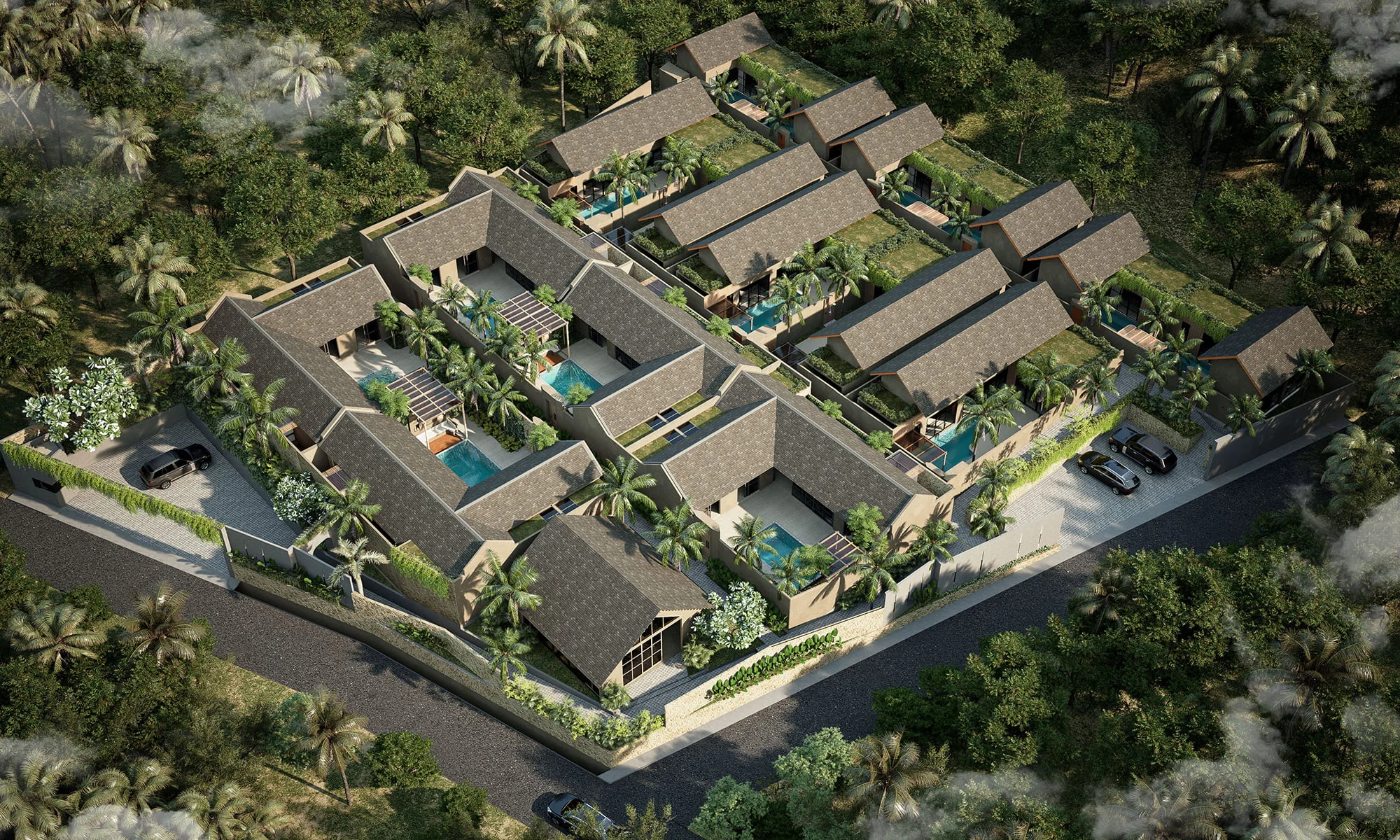
Serra Villas — Kuta, Lombok
This is our own development: 16 private pool villas starting from €120,000. Phase 1 has been completed, and Phase 2 is currently under construction. Fully managed.
What Returns Can You Expect?
Villas in Kuta Lombok are typically rented through Airbnb and Booking.com for €80–€150 per night (1-bedroom villas) and €150–€300 per night (3-bedroom villas). Occupancy rates generally range between 70% and 90%.
After management fees (15–25% of gross rental income), maintenance, insurance, and taxes, most investors achieve net annual returns of 10–16%. In addition, property values in Kuta Lombok are currently appreciating by approximately 10–15% per year.
Important note: these figures are projections based on current market conditions. Occupancy rates and rental prices may change. Always conduct your own due diligence.
The Risks — And Why You Should Be Aware of Them
No investment comes without risk. The two main risks when investing in Lombok real estate are:
Legal risk: Indonesian regulations regarding foreign ownership are more complex than in most Western countries. You will generally invest through a leasehold structure rather than freehold ownership, making the quality of your contracts critical. Work with a reputable notary — not the cheapest one, the best one.
Remote management: your villa is likely thousands of miles away. If management is not properly organized, you may only notice when guest reviews begin to suffer. Choose a developer with in-house management or partner with an experienced operator.
Additional risks include currency fluctuations (the Indonesian Rupiah can be volatile), market risk (oversupply or declining tourism), and political risk (regulations may change). None of these are necessarily deal-breakers, but they should be fully understood before investing.
Taxes: What Will You Pay as a Foreign Investor?
Private ownership (most common): rental income is generally subject to Indonesian withholding tax. Depending on your country of residence and tax structure, double taxation agreements may prevent you from being taxed twice. Always seek advice from a qualified tax advisor.
Through a PT PMA: corporate income tax applies in Indonesia. Additional taxes may be due on dividend distributions in your home country. This structure can be advantageous if profits are retained and reinvested.
Indonesia’s annual property tax is relatively low, typically around 0.1% of the assessed property value.
Also read: Tax Considerations for Foreign Property Owners in Indonesia
The Buying Process: Step by Step
- Research & Planning — Determine your budget and preferred villa type. Request brochures and return projections.
- Due Diligence — Verify the developer, land certificates, and building permits. Ask for references from existing investors.
- Reservation — A reservation deposit of approximately 10% secures your unit.
- Contract Signing — Prepared by an Indonesian notary. Always have the agreement reviewed by an independent legal advisor.
- Construction & Handover — Payments are made in stages linked to construction milestones. Upon completion, you receive the keys and all relevant documentation, after which rental operations can begin.
Your Next Step
Want to see what this investment could look like for you? Browse our available villas or schedule a consultation with our team. We’ll walk you through the numbers and help you evaluate the opportunity.